Clarity is a system, not a style.
We teach practical space organization by merging systems thinking, meaningful constraints, and behavioral cues into minimalist, enduring results.

Story
Orderly Space Academy started as a field manual for teams who needed clarity without clutter. Over time, it grew into a practice: operational design that sticks because it respects human behavior.
Mission
To make organization reliable and repeatable. We design spaces as systems: constraints first, then cues, then rhythm—so results last beyond the initial setup.
Approach
We combine audit, prototyping, and iterative trials. We reduce surfaces, collapse choices, and instrument feedback. Minimalism is an effect, not a goal.
Principles in action
Toggle a principle to see how it changes our choices on a real scenario.
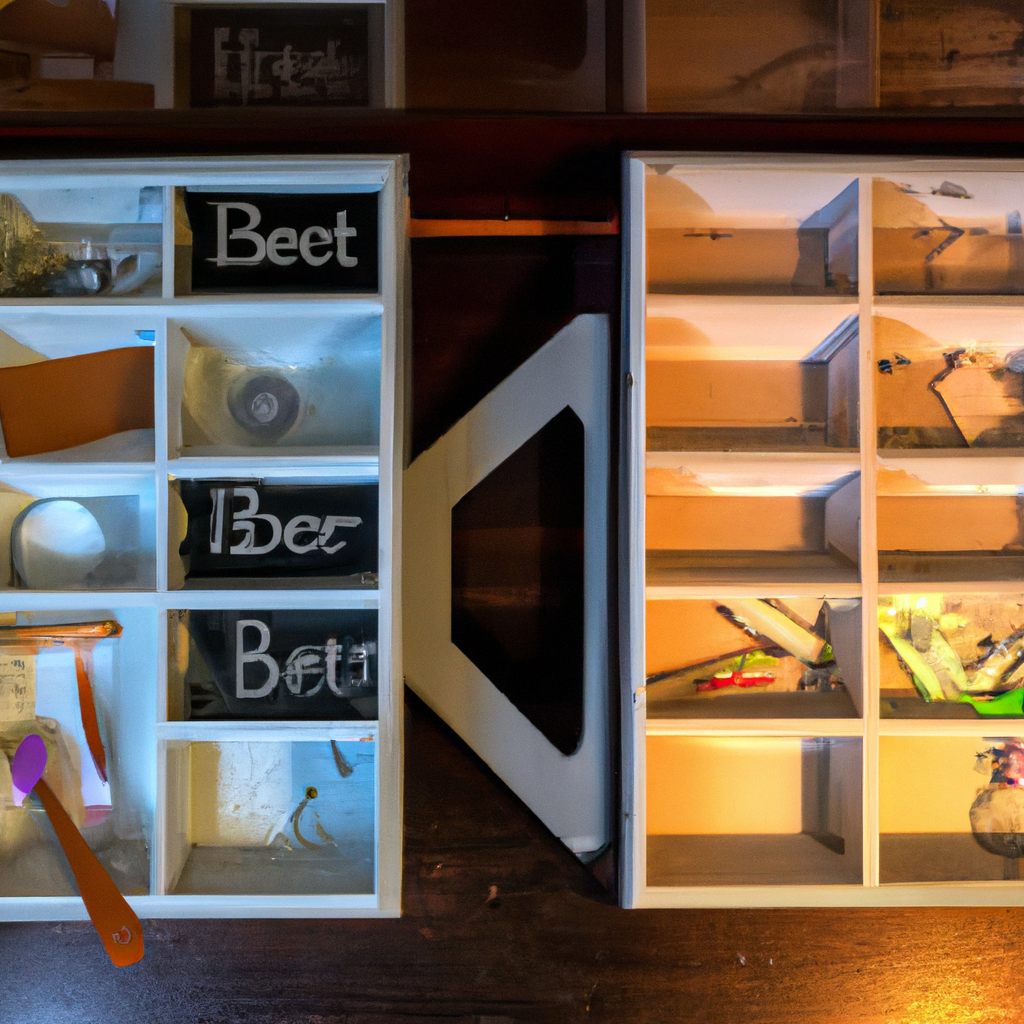
Scenario: The drawer that never stays tidy
-
Diagnosis: Too many choices at the point of use, no limit to item types, and hidden states.
-
We apply system rules to collapse variation, assign lanes, and add cues that make the right choice the easy choice.
Slots
4
Decisions
12
Reach time
2.4s
Our method in five moves
-
1
Audit reality: measure use, frequency, and friction—don’t guess.
-
2
Set constraints: define limits that simplify choices and improve rhythm.
-
3
Prototype quickly: use removable partitions, labels, and time-boxed trials.
-
4
Instrument cues: make the correct action obvious at point of use.
-
5
Stabilize and teach: brief the system; train for maintenance, not perfection.
Join the next cohort
Small group, hands-on. We cap seats to keep feedback sharp.
We will confirm by email. No spam, ever.